Institutional Custody Explained
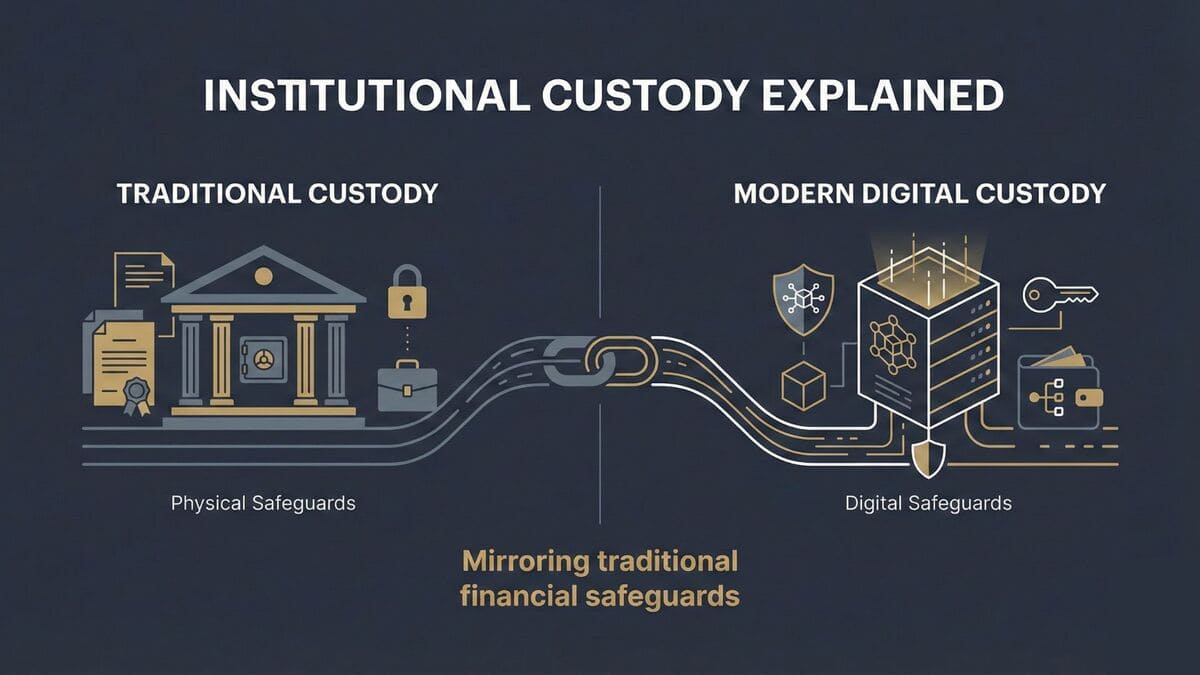
"How modern digital asset custody mirrors traditional financial safeguards."
When I first got into digital assets, the idea of “custody” terrified me. I read horror stories about people losing millions because they lost a piece of paper with random words on it (their “seed phrase”).
I heard about exchanges getting hacked and customers never seeing their money again.
It felt like the Wild West. Either you held your own keys and risked losing everything to a simple mistake, or you trusted an exchange and risked losing everything to a hack.
Neither option felt safe to me.
(Disclaimer: I am sharing my personal research and understanding. This is not financial or security advice. Always do your own due diligence.)
The Self-Custody Dilemma
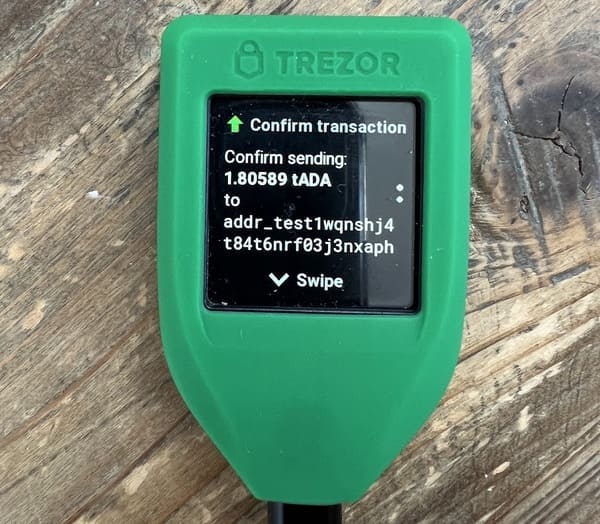
In the crypto world, there’s a famous saying: “Not your keys, not your coins.”
The idea is that if you don’t control the private keys (essentially the password to your assets), you don’t truly own them. An exchange could freeze your account, go bankrupt, or be hacked.
So I tried self-custody. I bought a hardware wallet, wrote down my seed phrase, and stored it carefully. But I lived in constant anxiety:
- What if my house burns down and the paper is destroyed?
- What if I forget where I hid it?
- What if someone finds it?
- What if I make a mistake when sending a transaction?
For the average person, self-custody is a technical burden that carries the risk of total loss. One wrong character in an address, one lost piece of paper, and your assets are gone forever unrecoverable.
I realized I needed something better.
What is Institutional Custody?
Institutional custody involves third-party regulated entities safeguarding assets on behalf of clients. These aren’t random tech companies they’re specialized trust companies or banks that operate under strict regulatory frameworks.
Think of it like this: when you deposit money in a bank, you don’t worry about securing it yourself. The bank has vaults, guards, insurance, and regulations. Institutional custody brings this same concept to digital assets.
The Security Features That Changed My Mind
I dug into how institutional custodians actually work. Here’s what I found:
Cold Storage
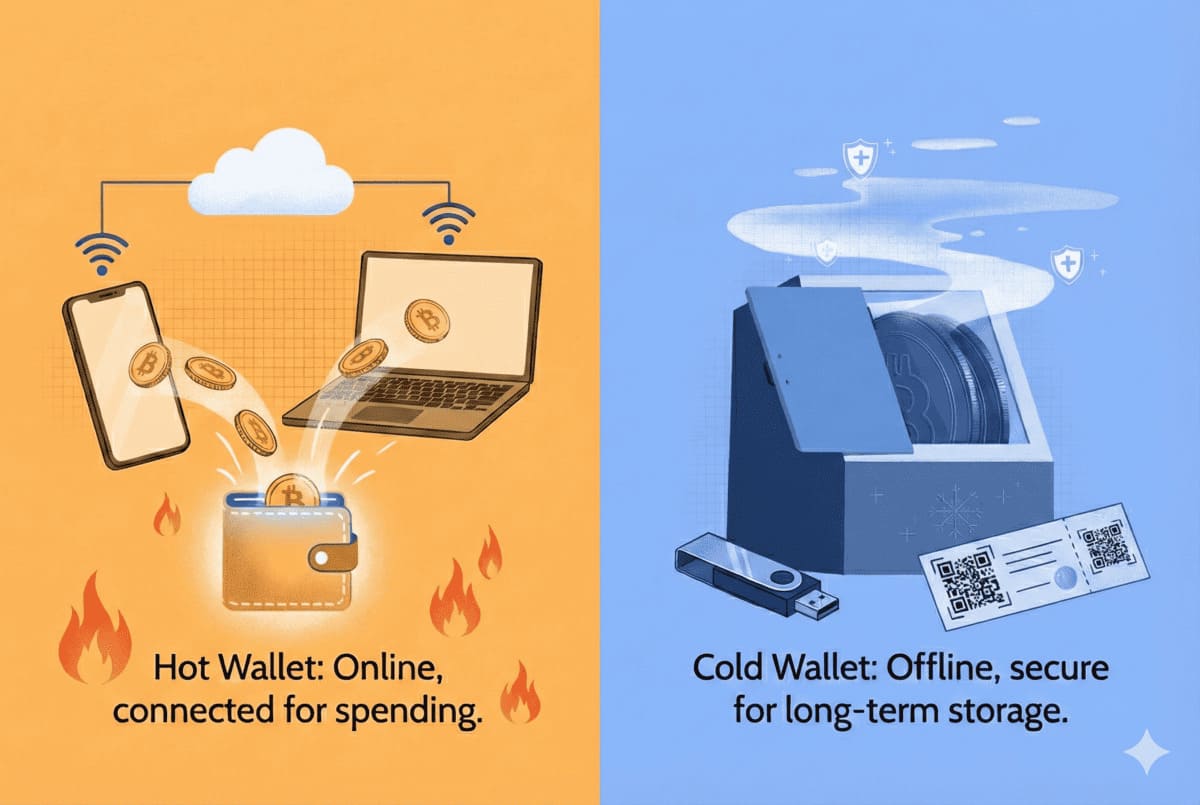
The vast majority of assets are held in “cold storage” offline environments that are physically air-gapped from the internet. This means no hacker sitting at a computer can access them. They would physically need to break into a secure facility.
For comparison, when you keep crypto on a regular exchange, it’s often in “hot wallets” internet-connected storage for liquidity. That’s convenient, but it’s also a target.
Multi-Signature Technology
Assets are protected by multi-signature (multisig) protocols. This means moving funds requires multiple approvals from geographically distributed keys. No single person can authorize a transaction alone.
If one key is compromised, it’s not enough. An attacker would need multiple keys from different locations.
Segregation of Assets
This was the big one for me. Client assets are held in segregated accounts on the blockchain, completely separate from the custodian’s own corporate funds.
This matters because of cases like the FTX collapse in 2022. When FTX went bankrupt, customer funds had been commingled with company funds. Customers couldn’t recover their money because legally, it was all one pot.
With proper institutional custody, if the platform goes bankrupt, your assets are legally your snot part of the bankruptcy estate.
Who Are These Custodians?
I wanted to know who’s actually doing this. It’s not just startups:
- Coinbase Custody A regulated trust company, audited regularly
- BitGo The first digital asset custodian to be SOC 2 certified
- Fidelity Digital Assets Yes, the same Fidelity that manages retirement accounts
- Anchorage Digital Backed by major institutions including Visa
These companies operate under licenses from regulators like the New York Department of Financial Services (NYDFS). They’re subject to audits, insurance requirements, and compliance standards.
Why This Matters for You
I used to think that “real” crypto users all did self-custody. But then I learned that even the biggest players don’t hold their own keys:
- BlackRock, the world’s largest asset manager, uses Coinbase Custody for their Bitcoin ETF
- MicroStrategy, with billions in Bitcoin, uses institutional custody
- Government pension funds entering crypto use regulated custodians
If the institutions managing trillions of dollars trust custody providers, maybe individual investors should consider it too.
By using a platform built on institutional custody, you get the benefits of digital asset ownership performance, portability, and diversification without the terrifying risks of self-management. You own the asset; the custodian handles the security.
Conclusion
For me, understanding institutional custody was the difference between staying on the sidelines and actually participating in digital assets. It provided the safety bridge I needed.
Self-custody has its place, and for some people, it’s the right choice. But for most of us who want exposure to this asset class without becoming security experts, institutional custody offers peace of mind.
You can sleep at night knowing your assets are protected by the same standards that safeguard the world’s largest fortunes.
Common Questions
Q: Is institutional custody safer than self-custody? A: For most people, yes. Self-custody requires perfect execution. One mistake can mean total loss. Institutional custody spreads risk across multiple safeguards, insurance, and regulatory oversight.
Q: What if the custodian gets hacked? A: Custodians carry insurance policies covering digital asset losses. Additionally, cold storage makes remote hacking nearly impossible an attacker would need physical access.
Q: Do I lose ownership if I use a custodian? A: No. You retain legal ownership. The custodian is a safe keeper, not an owner. Your assets are segregated and can’t be used by the company.
Q: Can I withdraw my assets anytime? A: Yes. You can request withdrawal to self-custody at any time. The custodian processes the transaction to your own wallet.
References
- NYDFS. (2024). Virtual Currency Regulatory Framework.
- BitGo. (2024). SOC 2 Type II Certification Report.
- Fidelity Digital Assets. (2024). Custody Solutions Overview.
- U.S. Bankruptcy Court. (2022). FTX Case Proceedings.
- BlackRock. (2024). iShares Bitcoin Trust Prospectus.